Call us today: 720-800-9495
Home > Fleet
A lot goes into insuring your fleet of vehicles – from choosing the right coverage to managing drivers and maintenance for safety and protection of one of your most valuable assets. Mountainside Insurance Management works with a number of insurance companies that specialize in providing Fleet insurance while also offering safety programs to help minimize loss – critical in today’s litigious environment where multi-million-dollar auto liability verdicts have become more commonplace.
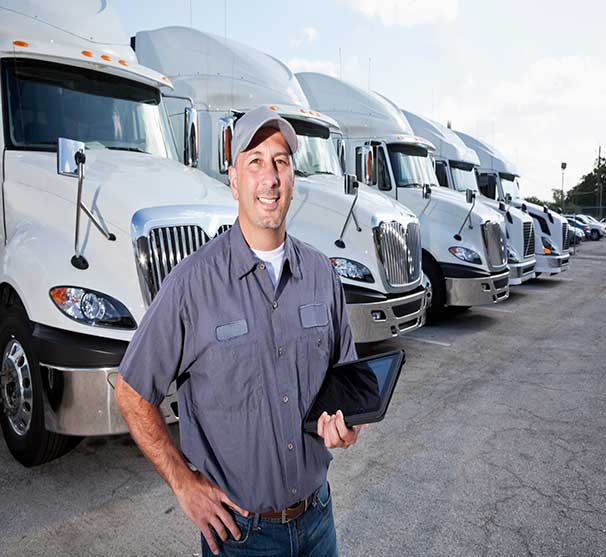
Fleet insurance enables businesses to insure all their vehicles under a single policy with the cost of insurance varying depending on the size and use of the fleet. For example, insurance for service fleets typically will cost less than delivery fleets, as most delivery fleets also need insurance that protects the goods they transport.
You must carry Liability insurance for the fleet, as required by both federal and state laws, to protect your business in the event one of your drivers is in an accident and found to be at fault. Coverage includes:
Additional coverages include:
Along with our insurers, we will work with you to help ensure your drivers are practicing safe driving skills on the road. This begins with smart hiring practices and regular training. In addition, there are telematics devices available to track vehicles and collect data such as hard braking, speeding, sudden acceleration, and even time of day, to determine and improve driving behavior. These practices and tools will help you keep costs in line and improve your risk profile.

Personal auto policies generally exclude vehicles used for business purposes, meaning a claim involving a company vehicle, or even a personal vehicle used regularly for work, could be denied under a personal policy. Commercial auto (fleet) insurance is specifically underwritten for business use and typically offers higher liability limits suited to commercial risk.
Yes — a standard fleet policy usually only covers vehicles you own or have under a scheduled lease. If employees use personal vehicles for business errands, or your company occasionally rents or hires vehicles, you generally need Hired and Non-Owned Auto (HNOA) coverage to close that gap.
Most fleet policies allow you to add or remove vehicles mid-term by notifying your broker, with your premium adjusted accordingly rather than waiting until renewal. Keeping your scheduled vehicle list current is important — an unlisted vehicle involved in an accident can create coverage gaps.
Premium is driven by the number and type of vehicles, how they’re used (local delivery vs. long-haul, for example), driver motor vehicle records, your company’s claims history, and the liability and physical damage limits you select. A strong driver-qualification and safety program can meaningfully improve your rates over time.
Not automatically — commercial auto liability and physical damage coverage protects the vehicles themselves and third-party claims, but cargo being hauled typically requires a separate cargo insurance or inland marine policy with its own coverage limits and exclusions.
Insurers weigh driver motor vehicle records heavily when underwriting and pricing fleet policies, and a pattern of violations or accidents among your drivers can raise premiums or affect renewal terms. Maintaining a documented driver-qualification process, including regular MVR checks, helps control both risk and cost.
CALL US TO DISCUSS YOUR INSURANCE
NEEDS TODAY: (720) 800-9495
Talk to an Expert
An expert representative will contact you immediately.